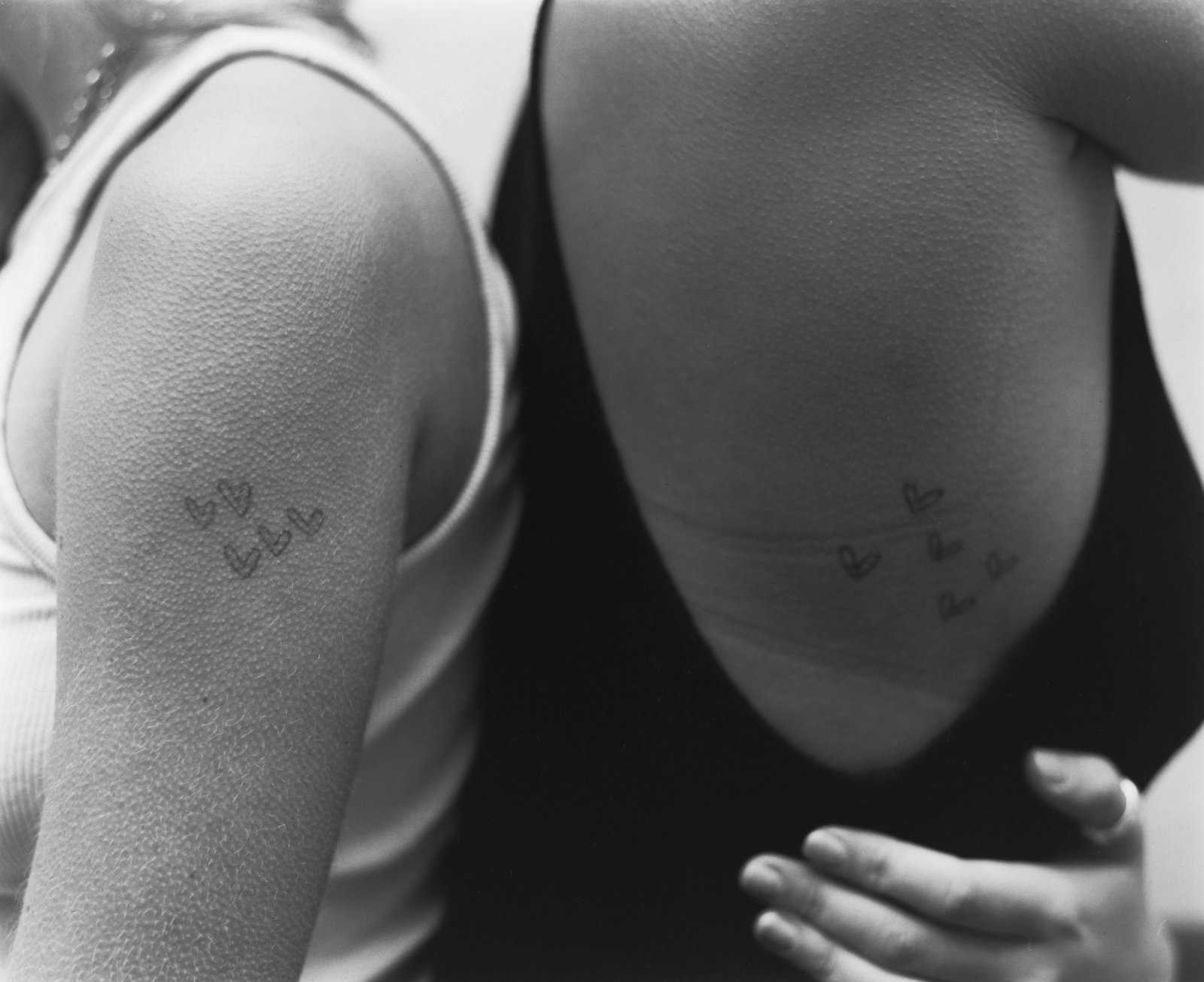
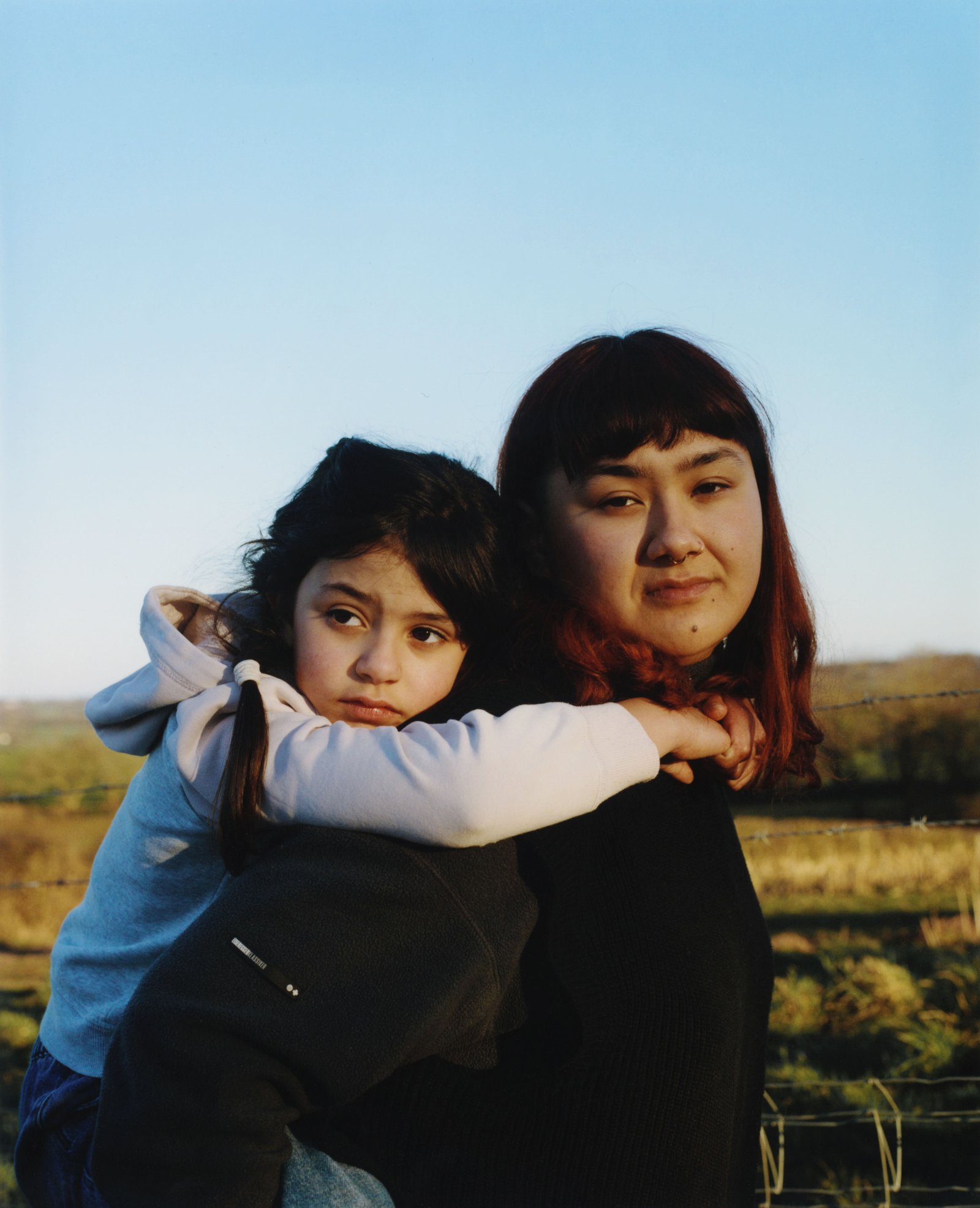
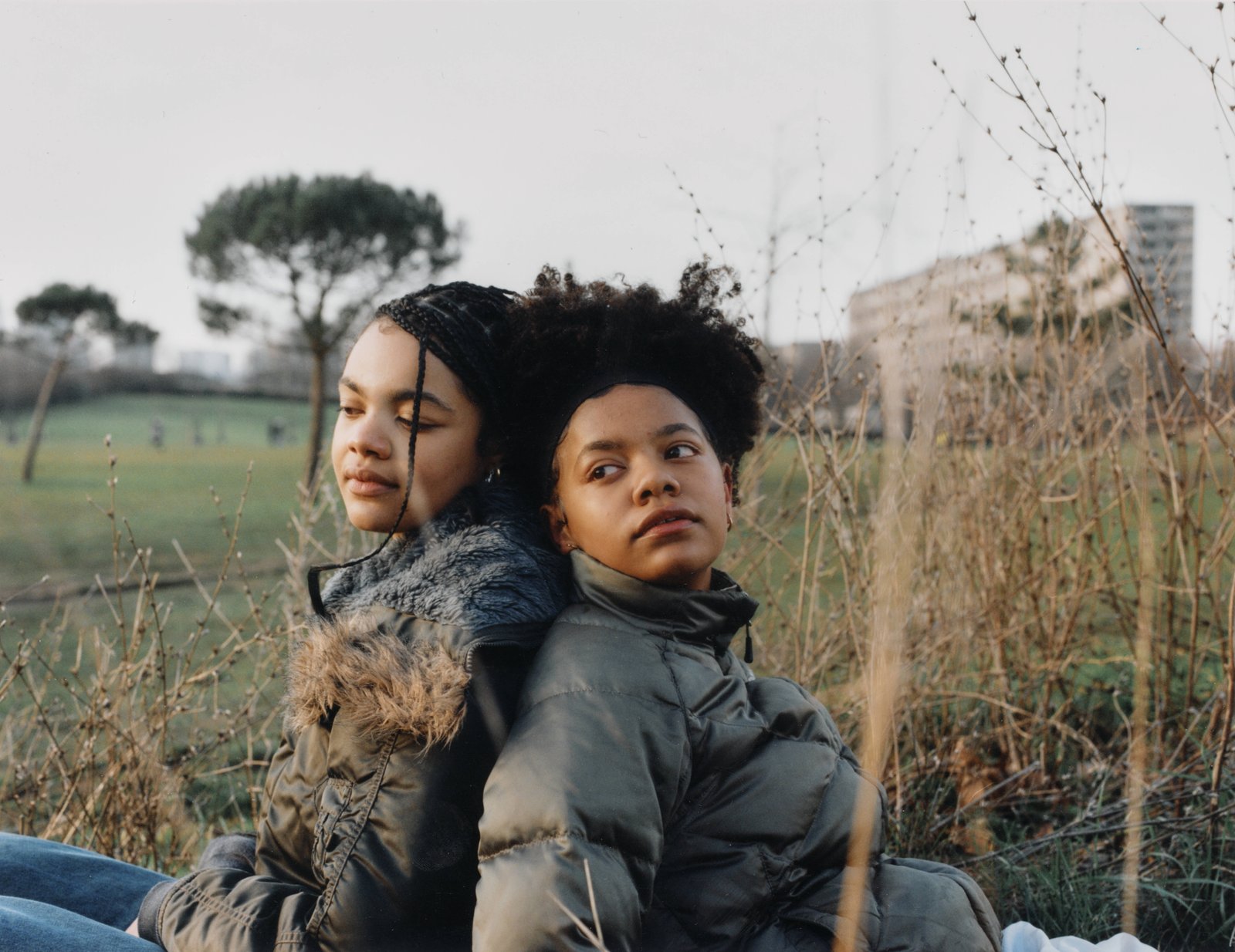
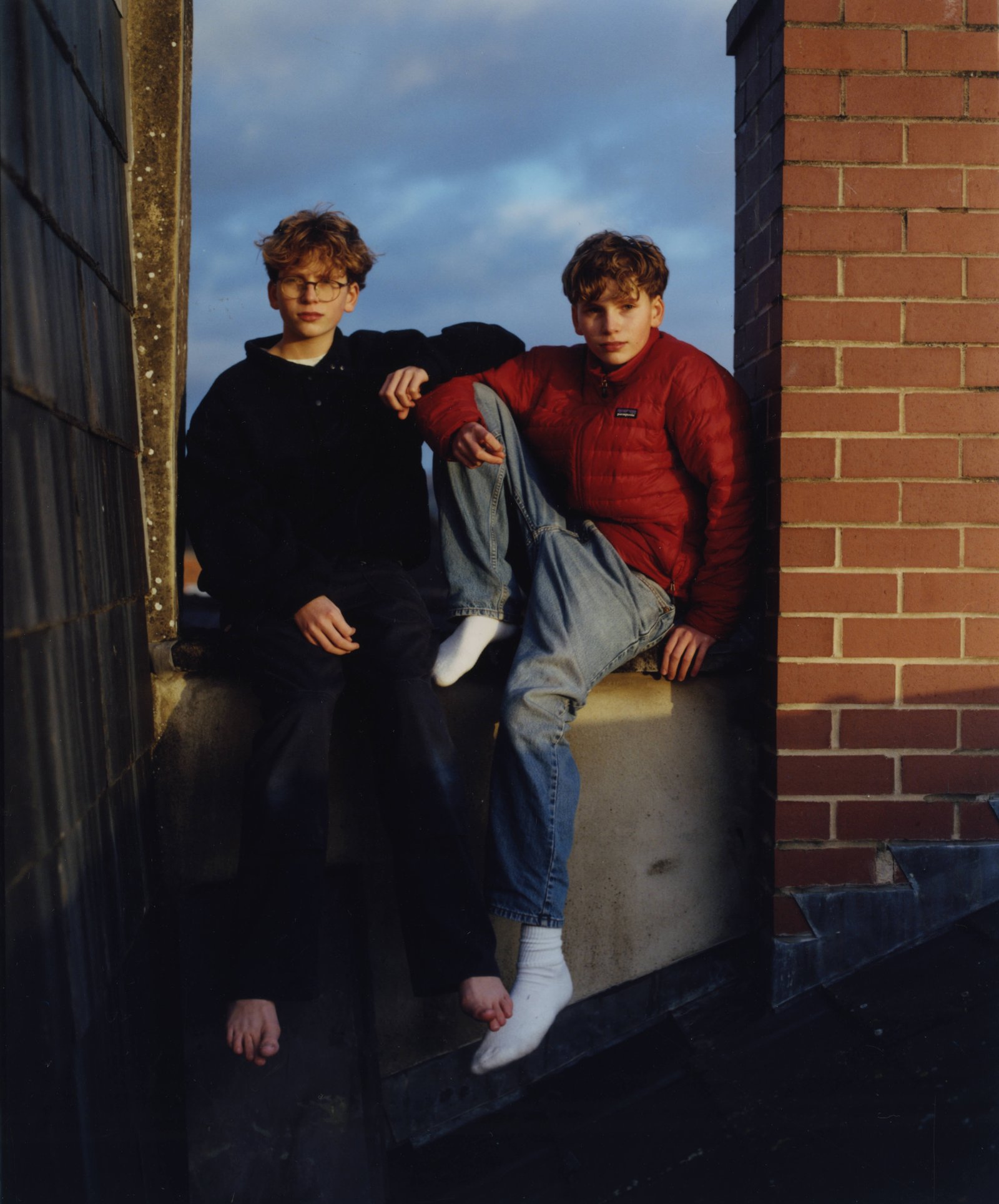
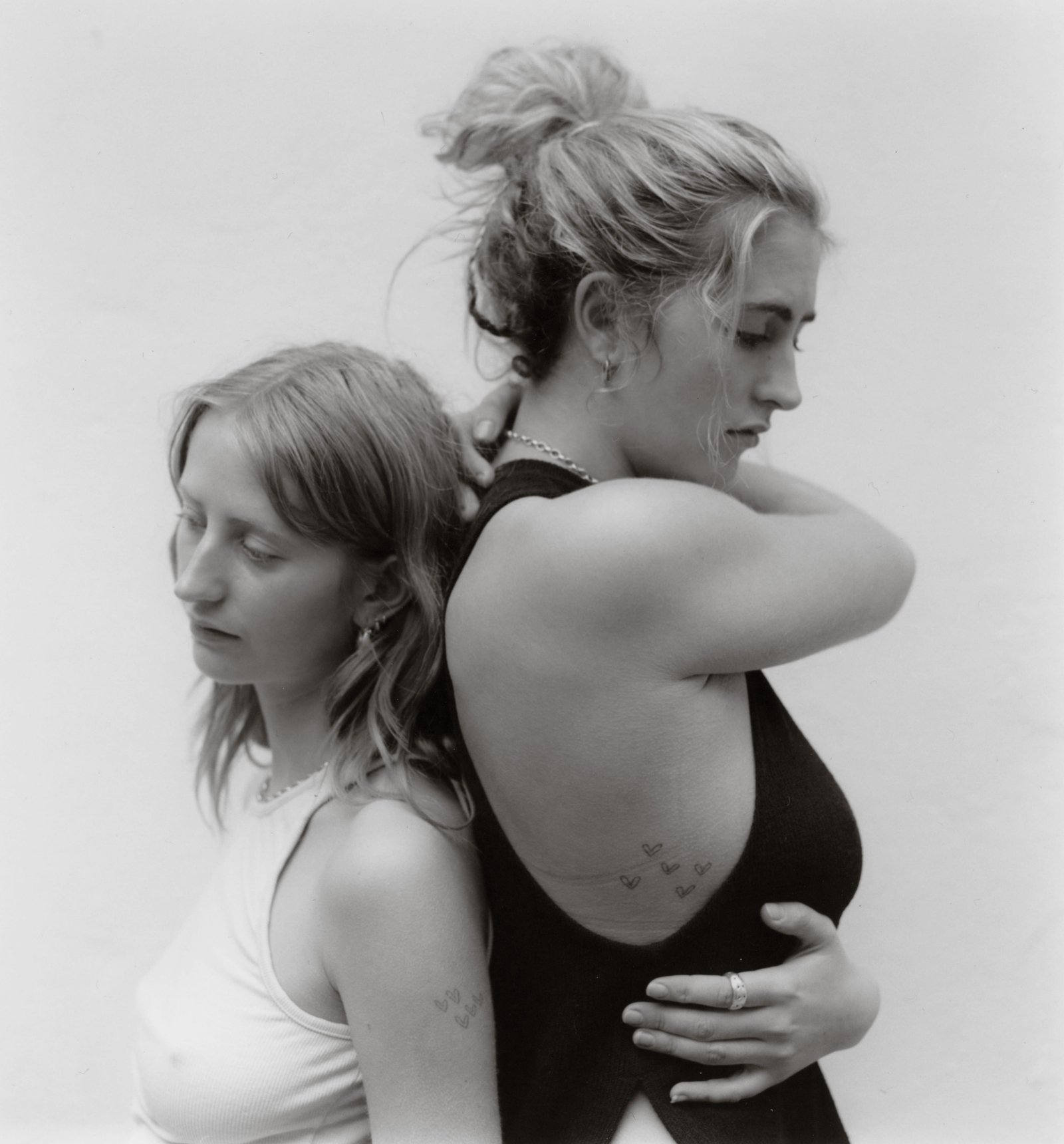
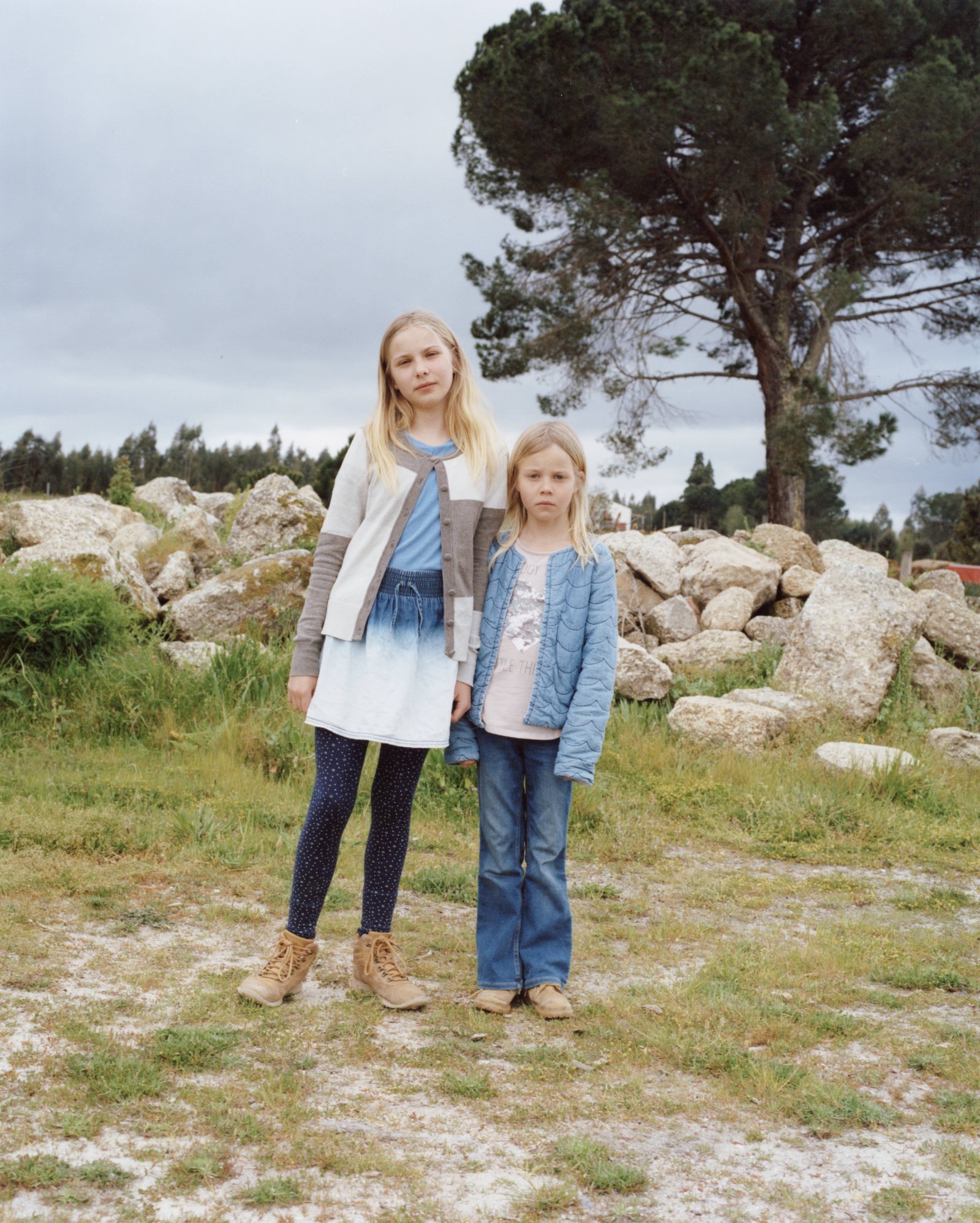
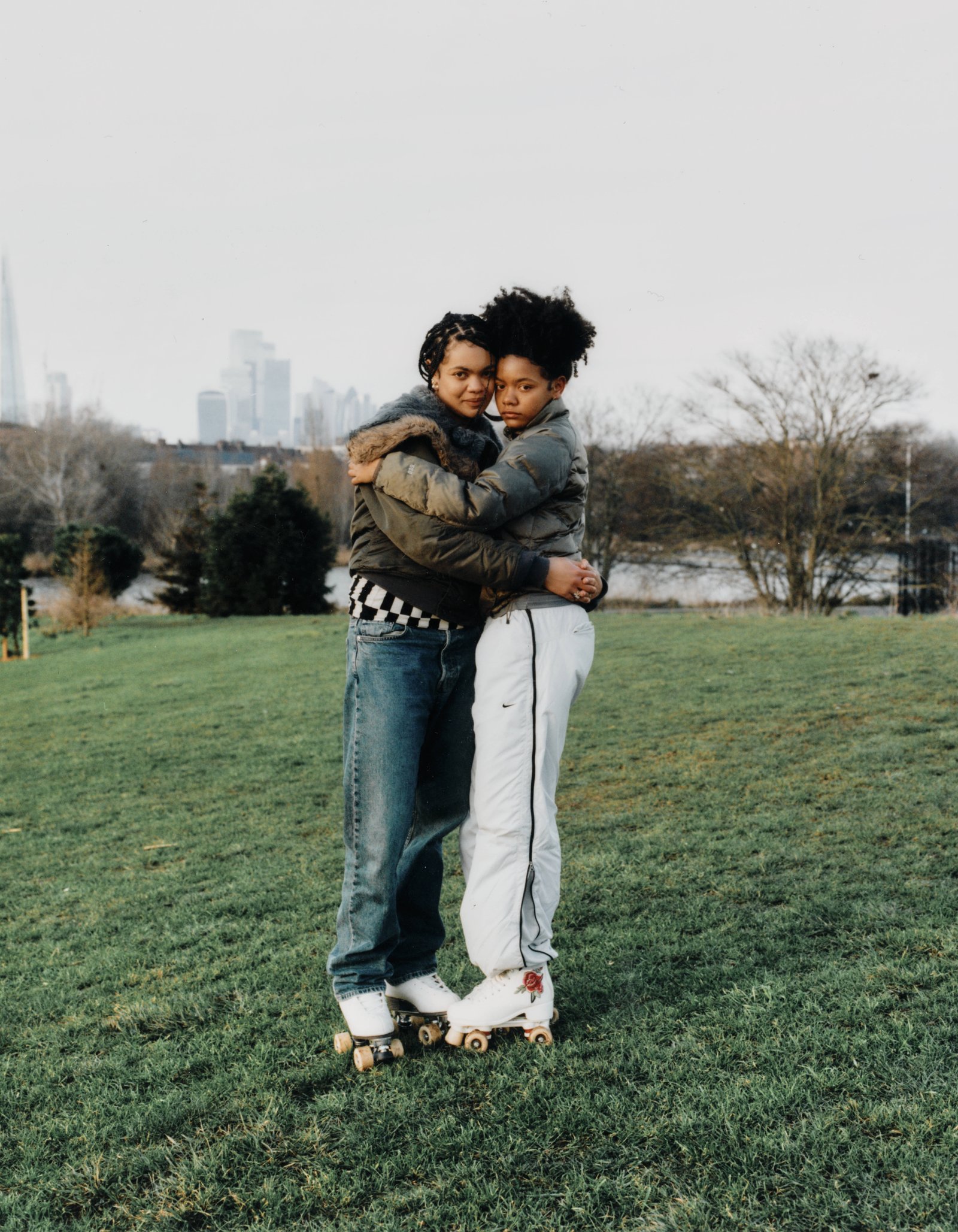
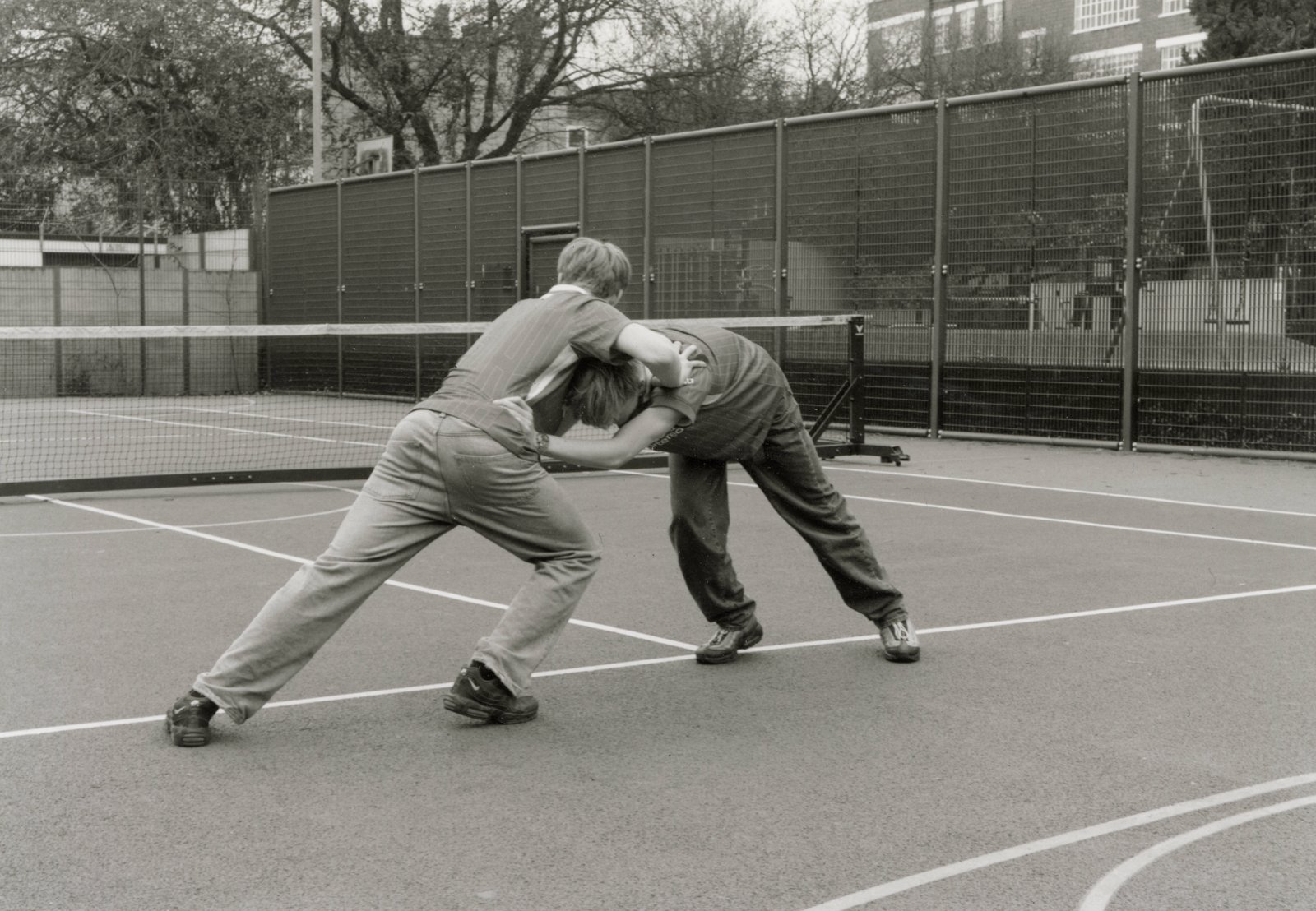
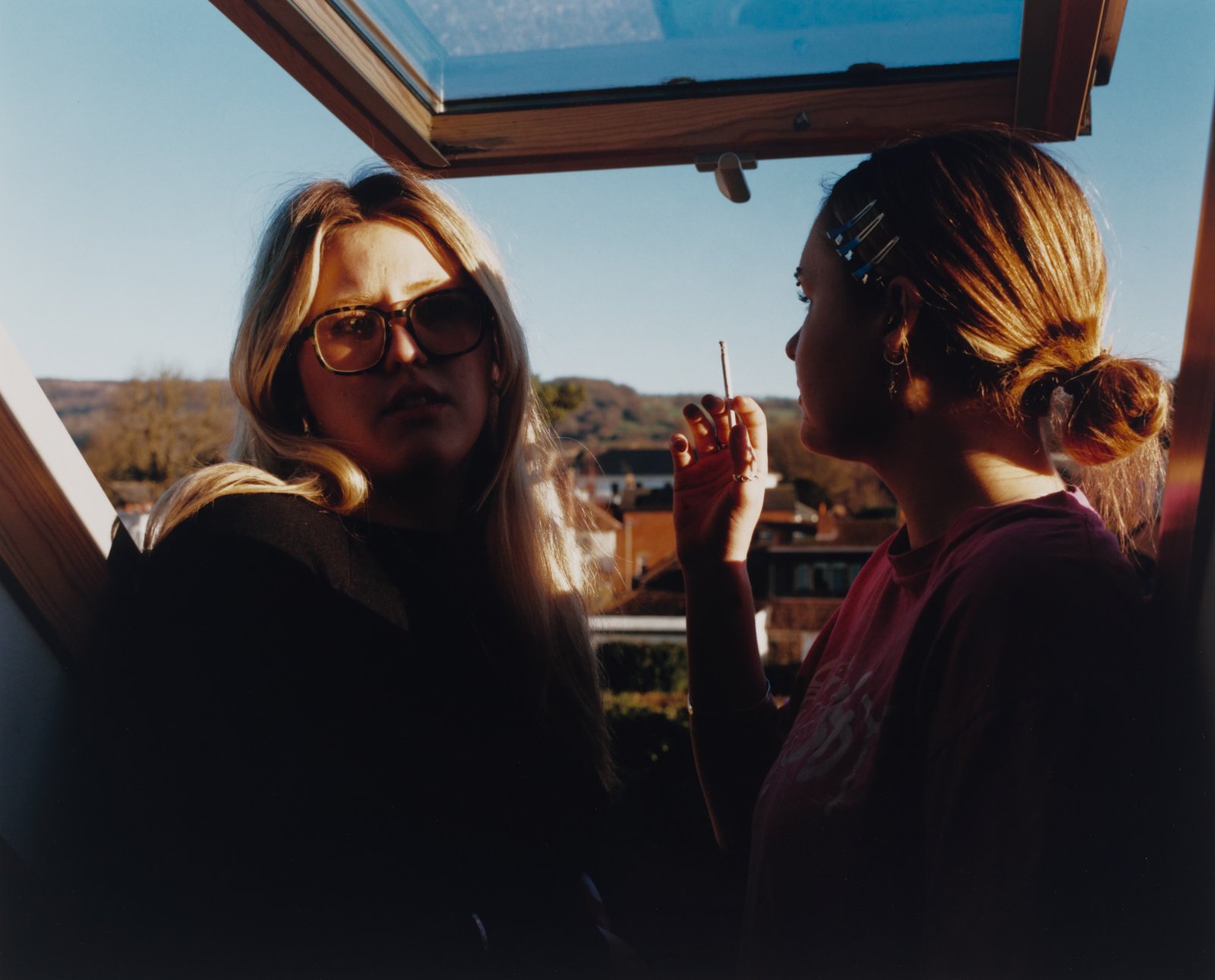
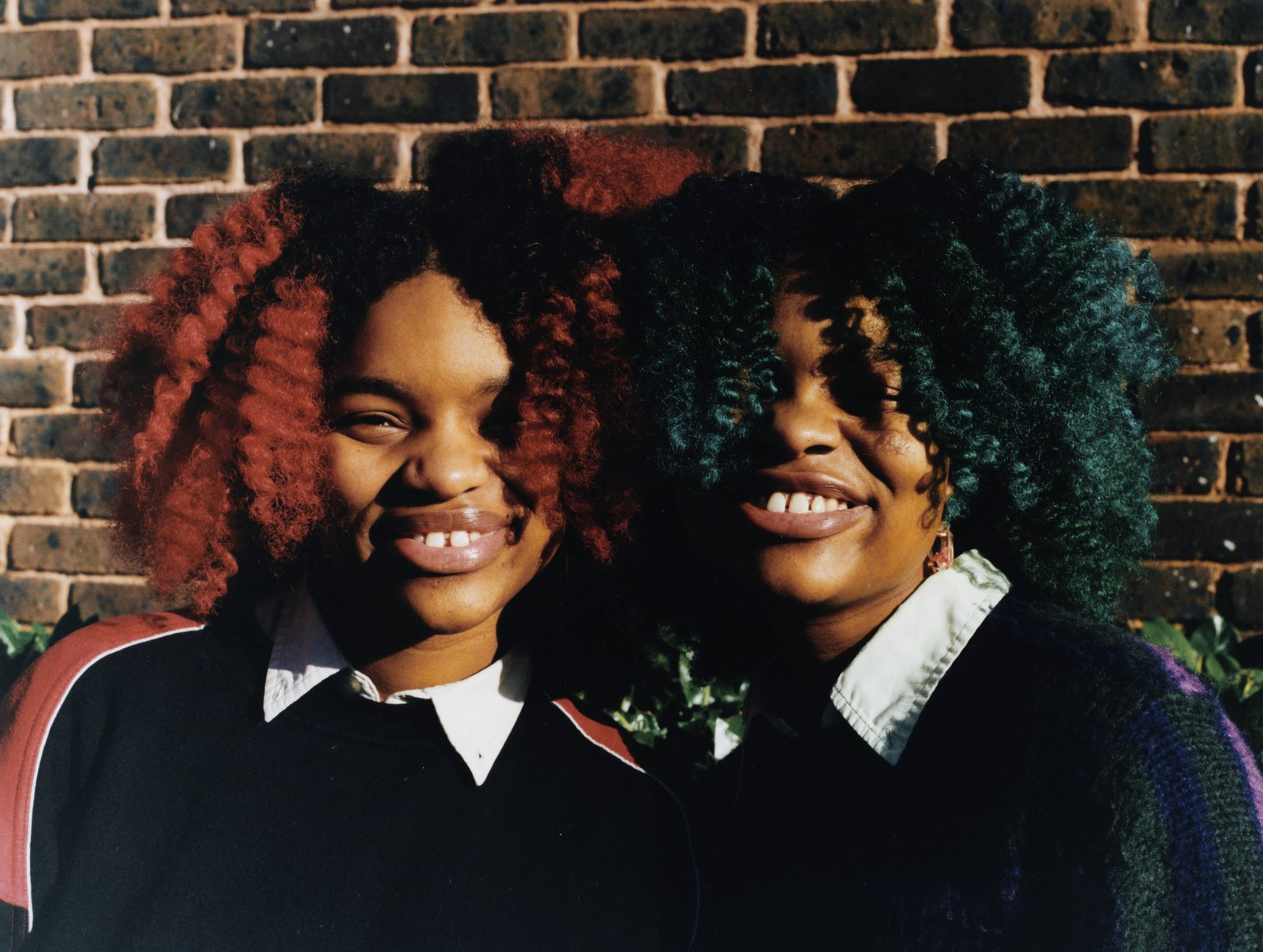
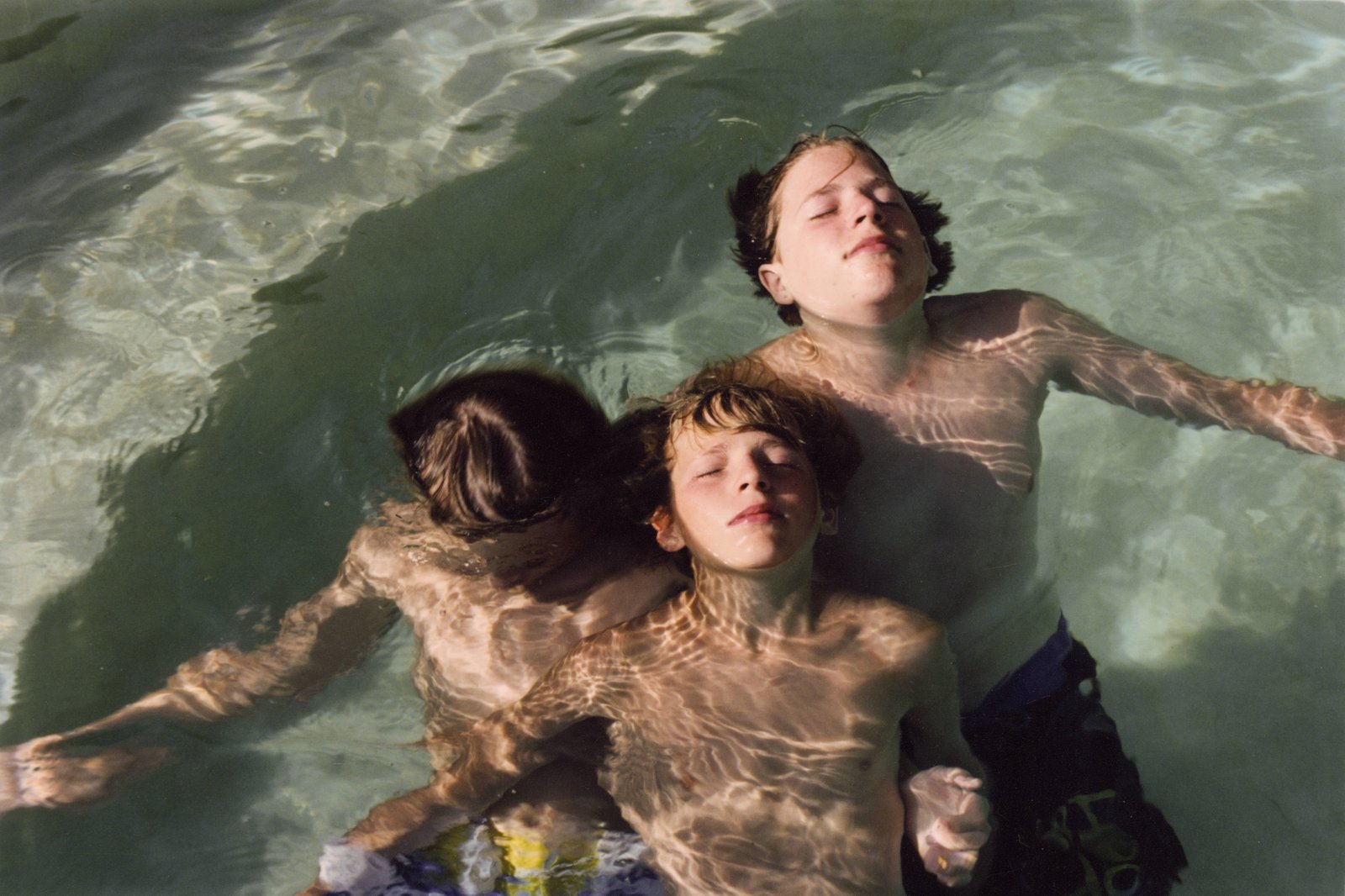
Kindred Language explores the intricate dynamics of sibling relationships through the lens of photography, bringing together participants ranging from family and friends to strangers. As the eldest of six, Lilah Culliford has spent much of her life observing and documenting the relationships between her siblings. From filming them with a VHS camera at the age of five to picking up a stills camera at fifteen, photography has become an extension of these relationships and a way of tracing the shared transition into adulthood that she and her siblings are experiencing together.
The project considers the relationships we are born into rather than those we choose, exploring the intimacy, familiarity and complexity that can exist within them. Collaboration is central to the work, with each participant actively shaping their photoshoot through contributing ideas, choosing locations and influencing how their relationship is represented. This process allows each image to become a shared interpretation of a bond, rather than simply an observation of it. After seeing Lilah's work in person at her degree show last year, we had the pleasure of speaking to her about her ongoing series.
What first inspired you to begin Kindred Language?
I was in my final year at university when I started this project. I was thinking about what I wanted to create at the end of the 3 years that will also show people what images I would like to take in the future. In the previous years I had already made a collaborative project with my siblings where we shared a holga camera for a week and took images of each other. It felt as if we were preserving our childhood play and I wanted to extend this into a longer form project.
How has being the eldest of six shaped the way you think about sibling relationships?
As the eldest I was automatically an observer of 5 other lives forming around me, it always felt very precious and like a privilege to grow with your best friends in the same environment. Because my situation of being part of such a big family is quite unique, I wanted to understand the other dynamics people have.
You began documenting your siblings on VHS at just five years old. What do you think drew you to documenting them from such a young age?
I think the novelty and awe you first have when you can watch a moment back hooked me in, me and my sister could film ourselves dancing and i would teach her what buttons to press and hand the camera to her so she could film me too, it was something to do and a way for me to live through a lens when there was a lot going on in my family life.
In a piece of writing about the project, you describe sibling relationships as relationships “we did not choose to have.” What does that idea mean to you?
During this project I met a lot of people that had not been in contact with their siblings for 20 plus years and some who are neighbours and see each other everyday. I was interested in the weirdness of not having control of knowing this person just dropped into your life and what is the moment you realise you can make your own decision if you still want to spend time with that person as an adult.
What do you think makes sibling relationships different from other relationships in our lives?
I was interested in the subconscious connections we carry without siblings informed by our environment growing up. Two siblings may not be close as they grow older but still at 60 years old they could say a word the same way or share similar mannerisms. I loved the invisible aspect of relationships and how we are not in control of this. I think in regards to other relationships such as partners or friends these are chosen relationships and there's not this original tie that siblings can have.
The series also includes friends and strangers. Why was it important to move beyond your own family?
I felt like I had spent a long time exploring my own relationships and I have always been intrigued by other people's relationships and how they work, I also found speaking to other people about their siblings and representing their relationship with imagery they were all excited to have a picture of their relationship at that time in their life as most pictures you have taken together are from when you are a child or with a whole family so people felt it was special, especially for people in their 20’s when you are both really forming who you are.
Were there moments where a participant’s idea changed the direction of an image or shoot?
I was working with two sisters, Annie and V. I got to their house with no idea what we would shoot, we chatted for a while over a cup of tea and started reminiscing about playing fancy dress as children. Annie is a shoe designer and V is a prop designer so it made sense for us to lean into this. We ended up throwing things out of the dressing up box and had them jumping on their trampoline together in high heels and a tutu. We laughed a lot, I thought going into the shoot that it could have been a more simple bedroom shot but they introduced so much play, that was probably one of the most fun days I had shooting this project.
Did working with strangers change how you thought about your own experiences of sibling hood?
It opened my eyes to how complex relationships are and that I am still young and naive. I photographed two 80 year old sisters who had not talked for 30 years and now talk almost everyday. It made me believe in the human capacity to change and to love and also how fragile relationships are and to appreciate what I have and the importance of nurturing relationships of all kinds.
After making this series, do you still see the camera as a way of preserving your own memories and experiences with your siblings?
Yes for sure! Just last weekend I was away with all my siblings, my twin brothers are now 16 and we still take photos together. I think as the world is changing so quickly I like the fact we can look back and see frozen moments where things do not seem so complicated as we all become adults encumbered with adult problems.
Where do you see Kindred Language going next?
I am still actively taking pictures for this project. I see it becoming a lifetime project, every time I meet someone I always end up asking about siblings and their stories, I think it will always be something I am drawn to.